What Event Organisers Get Wrong About Audience Development
April 2, 2026
Ask most event organisers how they are building their audience and they will describe their marketing: the email campaigns, the social posts, the PR, the partner promotions. All of that is audience acquisition. Almost none of it is event audience development.
The distinction matters more than most events businesses realise. Audience acquisition is the process of getting people to register for an event. Audience development is the process of building a relationship with those people that makes them want to come back, tell others, and become genuinely invested in what you are building. One is a marketing problem. The other is a strategic one.
Events that conflate the two tend to find themselves rebuilding their audience from scratch for every edition — spending the same acquisition budget, generating the same results, wondering why growth is so hard.
The Acquisition Trap
The acquisition trap works like this: you market an event, people register, the event happens, they have a good time, and then you lose contact with them until the next event campaign begins. If they happen to see your marketing again and it is still relevant to their needs, they might come back. If not, you are marketing to a stranger again.
The commercial cost of this pattern is significant. Acquiring a new attendee costs substantially more than retaining an existing one. Post-event data on renewed sponsorships, repeat attendance, and long-tail content engagement consistently shows that the economic value of a returning attendee compounds over time in ways that a first-time attendee cannot. Your most valuable audience is not the one you are about to acquire — it is the one you have already built and are currently underserving.
What Event Audience Development Actually Means
Audience development is the practice of building an ongoing relationship with a defined group of people — deepening their engagement with your content, your community, and your events over time. It borrows from media companies, which have been doing this for decades, more than from events operations, which tend to think campaign by campaign.
The key elements are:
- Owned channels: Email is the most important owned channel for events. A well-maintained email list of engaged subscribers who have opted in to your content — and who open, click, and act on what you send — is worth more than any paid media campaign. Build it, segment it, and serve it content that is useful between events, not just transactional before them.
- Content between events: The events business that publishes nothing between editions is invisible to its audience for 11 months of the year. Content — articles, podcasts, video, newsletters, reports — keeps you in your audience’s attention and demonstrates that you are a source of ongoing value, not just an annual meeting point.
- Community: The strongest events build communities where the relationships that started at the event continue. Online community spaces, regular peer roundtables, exclusive access events, and curated networking opportunities extend the event’s value across the year and make your audience less likely to drift to a competitor.
- Data: Understanding who your audience is — not just who registered, but who engaged deeply, who returned year after year, who refers others, who sponsors identify as the most commercially valuable — is the foundation of audience development strategy.
Every event is a long-term data asset, not a one-off cost. Build the infrastructure to capture and use that data from the beginning.
The Media Company Lesson
The most commercially successful events in the world operate more like media companies than like events companies. They understand that their audience is their primary asset, not their venue or their programming. They invest in building and serving that audience year-round. They diversify their revenue across content, advertising, events, and data. And they treat every attendee interaction as an opportunity to deepen a relationship that has long-term commercial value.
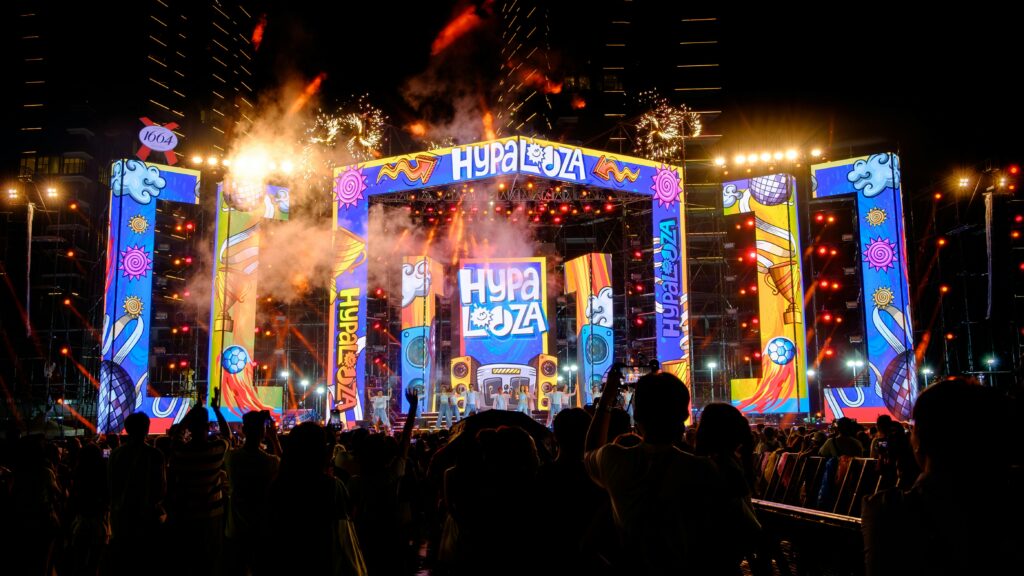
This is the model that built MTV’s commercial engine across live events, digital, and broadcast. The audience was not the output of the marketing — it was the asset around which everything else was built. The programming, the sponsorship, the revenue model, the growth strategy — all of it was downstream of a deeply understood, carefully cultivated audience.
Most events businesses are not there yet. But the ones that are moving in this direction are building competitive advantages that are genuinely difficult to replicate: loyal audiences, strong renewal rates, premium sponsorship propositions, and event brands that are known for something specific in their market.
Where to Start your Event Audience Development
- Audit your email list. How many of your previous attendees are on it? Are they receiving anything between events? Is the content useful or purely transactional?
- Build a content calendar for the year, not just the campaign period. Identify three to five themes that are genuinely relevant to your defined audience, and publish consistently around them.
- Map your attendee journey. What happens to a first-time attendee after the event ends? What communication do they receive? What would make them more likely to return, refer others, or deepen their engagement with your brand?
- Identify your most engaged audience segment. Who are the people who always come back, who send others, who engage with your content? Invest disproportionately in serving them — they are the core of your audience development strategy.
For the broader commercial infrastructure that makes audience development commercially valuable, see the related articles on event revenue strategy and how media brands turn audiences into commercial assets. Or explore how morna approaches audience development for events and media businesses.
Q&A:
Q: What is event audience development?
Event audience development is the process of building an ongoing relationship with attendees that makes them want to return, refer others, and become genuinely invested in what you are building. It is distinct from audience acquisition — getting people to register — which is a marketing problem. Audience development is a strategic one.
Q: What is the difference between audience acquisition and audience development?
Audience acquisition gets people to register for your event. Audience development builds a relationship with those people between events. Events that treat these as the same thing find themselves starting from scratch for each edition — spending heavily on acquisition with little retention. Events that invest in development build a compounding audience that grows more valuable with each edition.
Q: How do you build a loyal event audience?
By treating attendees as a community rather than a transaction. This means: maintaining communication between events, providing ongoing value through content and access, giving the audience a role in shaping the event, and creating touchpoints that reinforce belonging. The media company model — where the audience relationship is year-round, not event-specific — is the template that event organisers should study.
Q: How do events measure audience development success?
Return rate is the primary metric: what percentage of attendees from this year attended last year? Beyond that: referral rate (how many attendees came because a previous attendee recommended them), engagement between events (email open rates, community participation), and time-to-registration for repeat attendees (loyal audiences register earlier and with less marketing spend).
Q: Why do event organisers focus on acquisition over development?
Because acquisition produces visible, immediate results: registrations on a dashboard. Audience development produces compounding value that is harder to attribute to a single action. Most event teams are measured on registration numbers rather than retention rates, so the incentive structure drives acquisition behaviour — even when development would produce better commercial outcomes long-term.
- How to Measure Event ROI Without Wasting Your Budget
 94% of companies lose event leads — not because the events are not generating interest,… Read more: How to Measure Event ROI Without Wasting Your Budget
 - Why Your Marketing Fails to Generate Real Revenue
 Why marketing fails to generate revenue, the conversation inside most organisations follows a familiar script.… Read more: Why Your Marketing Fails to Generate Real Revenue
 - Branded Content vs Sponsorship: The Honest Comparison
 Branded content vs sponsorship: frequently used interchangeably by both brands and media organisations — which… Read more: Branded Content vs Sponsorship: The Honest Comparison
GET IN TOUCH WITH ARTUR